
There is no universally best streaming platform in 2026. Anyone telling you otherwise is selling you a listicle, not an answer. The real question is which platform wins for your specific situation — and that depends on whether you prioritise catalogue depth, originals quality, price-per-hour of entertainment, or how efficiently you can track what you're watching across services. If you're managing multiple subscriptions at once (most people are — the average US household now holds 4.2 services according to Antenna's Q4 2025 data), the platform question is really a portfolio question. For a broader look at how individual genres change the calculus, the best streaming service for horror movies breakdown is a useful companion — it shows how sharply rankings shift once you narrow the lens.
TL;DR
| Platform | Best For | Monthly Price (ad-free) | Catalogue Depth | Originals Quality |
|---|---|---|---|---|
| Netflix | Mainstream variety, global originals | $22.99 | ★★★★★ | ★★★★☆ |
| Max (HBO) | Premium drama, film quality | $20.99 | ★★★☆☆ | ★★★★★ |
| Apple TV+ | Prestige originals, zero filler | $9.99 | ★★☆☆☆ | ★★★★★ |
| Hulu | Current TV, FX content | $17.99 | ★★★★☆ | ★★★☆☆ |
| Prime Video | Bundled value, genre variety | $8.99 (standalone) | ★★★★☆ | ★★★☆☆ |
- Best single platform: Max, if you only pick one and care about quality over quantity
- Best value: Apple TV+ at $9.99 — but only if originals-only content satisfies you
- Best all-rounder: Netflix, reluctantly — it's expensive and inconsistent, but the depth is real
- Best for current TV: Hulu, not close
- Best bundled: Prime Video as part of Amazon Prime at $139/year
What Is a Streaming Platform, Actually?
A streaming platform is a subscription-based video-on-demand service that delivers licensed and original content over the internet without requiring physical media or broadcast schedules. That sounds obvious, but the definition matters more than it used to — because the line between "streaming platform" and "live TV service" is blurring fast in 2026. Netflix now has live events. Max has linear channels. Prime Video has live NFL. When someone asks "which platform is best," they're often comparing services that don't fully overlap in what they offer. Understanding what OTT streaming actually means helps clarify why these comparisons get complicated.
What Is the #1 Best Streaming Service?
Netflix is the most-used streaming service globally, with 301 million paid subscribers as of Q4 2025. That makes it #1 by audience size. It does not make it #1 by quality, value, or any other metric — audience size is a measure of distribution and habit, not excellence.
If forced to name a single "best" by an aggregate of quality metrics, Max wins in 2026. It carries the HBO library (genuinely irreplaceable), the Warner Bros. film slate, and a growing DC/animation catalogue. The weakness is depth — you'll exhaust Max's prestige drama tier faster than you expect. But the ceiling is higher than any other service.
Netflix's advantage is staying power. Its library is broad enough that you can always find something. That's not a compliment, exactly — it's more that Netflix succeeds at not running out, which is a different thing than being exceptional.
Is Max Better Than Netflix?
Max is better than Netflix for drama, film, and prestige television. Netflix is better than Max for variety, international content, and comedy.
The comparison is genuinely context-dependent, which is why the "which is better" framing is a little silly. Max's content ceiling — The Wire, Succession, The White Lotus, the full Christopher Nolan catalogue — is higher than Netflix's. But if you want to watch something tonight and you're not sure what, Netflix wins the browsability contest. Max's catalogue is smaller and more curated, which is a feature or a bug depending on your patience.
Pricing is close enough not to be decisive: Max runs $20.99/month ad-free versus Netflix's $22.99. A $2 difference over a year is $24 — less than one month's sub. If that's your deciding factor, something has gone wrong in your decision process.
One complaint worth making: Max's interface remains one of the worst in the industry. Discovery is broken in a way that feels intentional — you often can't find content you know exists. Netflix's UI is annoying (the auto-play trailers remain unforgivable in 2026), but it functions. That gap matters more than most reviews acknowledge.
How Does Apple TV+ Compare?
Apple TV+ is the most efficient streaming service for prestige originals per dollar. At $9.99/month, it has no licensed back-catalogue — every title is an Apple original — but the hit rate is extraordinary. Severance, The Morning Show, Slow Horses, Presumed Innocent, Silo — this is not a service padding its numbers with filler.
The catch: when Apple TV+ doesn't have something you want, it has nothing. There is no safety net of a deep catalogue to fall back on. For some viewers, that's fine. For households that use streaming as ambient entertainment — something on in the background, something for everyone — Apple TV+ fails completely.
For a full breakdown of what's currently worth watching there, Apple TV+ series worth watching in 2026 covers the catalogue in more depth than I'll repeat here.
One concrete data point: Apple TV+ reportedly spent approximately $5 billion on content in 2025 across roughly 50–60 original titles. That's a higher per-title spend than any competitor. You can see it in the production quality. Whether that justifies the gap in catalogue size is a personal call.
Where Does Hulu Fit?
Hulu is the best streaming platform for current broadcast and cable television. It is not the best at almost anything else.
If you watch FX series, ABC dramas, or want same-day or next-day access to network episodes, Hulu is non-negotiable. No other service replicates this. Max has HBO and some WB content; Netflix has nothing airing currently on other networks. Hulu's Live TV tier ($82.99/month) extends this into live sports and news, though that's a different product category entirely.
Hulu's original content is improving — The Bear has become one of the most-discussed series of the last two years — but as a whole, the originals slate is inconsistent. For a ranked view of what's actually worth your time there, Hulu's best series in 2026 does the curation work.
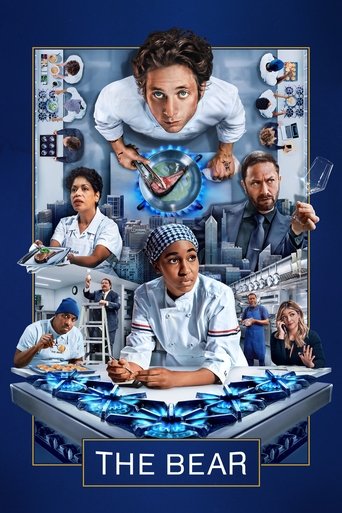
Carmy, a young fine-dining chef, comes home to Chicago to run his family sandwich shop. As he fights to transform the shop and himself, he works alongside a rough-around-the-edges crew that ultimately reveal themselves as his chosen family.
Hulu also has one of the best movie libraries among the major services — something it doesn't get enough credit for. The best movies on Hulu list makes the case.
What About Prime Video?
Prime Video is the most underrated service in the "best streaming platform" conversation, and also the most aggravating to actually use.
The catalogue is huge — genuinely — and for Amazon Prime subscribers ($139/year for the full membership), the streaming component is essentially free. At that marginal cost, Prime Video has nearly unbeatable value per title. The problem is that Prime Video consistently buries its best content under AVOD (ad-supported free) content, paid rentals, and third-party channel add-ons in a way that makes the interface feel deliberately confusing. As of early 2026, Amazon still has not fully resolved the visual distinction between "included with Prime" and "available to rent" — a years-long complaint that keeps getting worse.
That said, The Boys, Reacher, Mr. & Mrs. Smith, and the expanding Thursday Night Football slate give Prime Video genuine must-have content for specific audiences. The full breakdown of what Prime Video includes and whether it's worth it goes deeper on the value calculation.
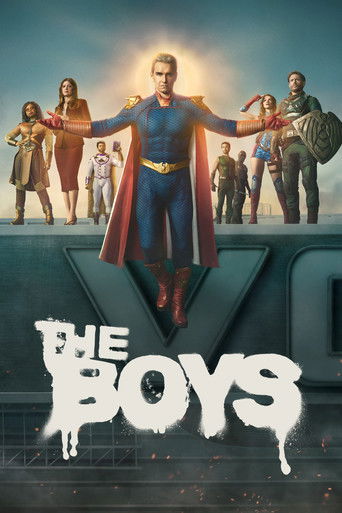
A group of vigilantes known informally as “The Boys” set out to take down corrupt superheroes with no more than blue-collar grit and a willingness to fight dirty.
For households already paying for Amazon Prime for shipping, Prime Video should always be in the subscription stack. The question is whether it replaces or supplements another service — and for most people, it supplements.
Which Platform Has the Best Original Series?
Apple TV+ has the highest quality rate for originals — the percentage of well-reviewed, award-nominated titles relative to total output. Max has the highest ceiling — the best individual series across the platform's history, pulled from HBO's legacy. Netflix has the most originals in absolute volume, which means more misses but also more surface area for discovery.
For cross-platform original series rankings, best series streaming now covers March 2026's standout titles across all services.
Mild opinion: Netflix's quantity-over-quality approach to originals is exhausting as a viewer. Cancellations after one or two seasons — before story arcs can complete — have become a genuine trust problem. The algorithm optimises for starts, not finishes. It shows.
How to Pick the Right Streaming Platform
Step one: don't pick one and stop. Unless your budget is genuinely tight, the right answer for most people in 2026 is a deliberate combination of two to three services, rotated based on what you're actively watching.
The most efficient stack, based on content coverage and price:
- Max + Hulu if you watch prestige drama and current TV
- Netflix + Apple TV+ if you want originals breadth plus quality
- Prime Video + one premium service if you already pay for Amazon
The problem most households run into isn't picking the wrong service — it's holding onto services passively long after they've finished what they wanted to watch. The average subscriber wastes $348/year on streaming services they're not actively using, according to a 2025 JD Power study. Tracking expiring content, knowing when a show you want leaves a platform, and rotating strategically is where real savings happen. That's exactly what WatchDeck's multi-service management tools are built for.
For tracking alternatives if you're also managing a Letterboxd or Trakt watchlist alongside your streaming subscriptions, the best Trakt alternatives in 2026 is worth a look.
Final Verdict: What Is the Best Streaming Platform?
Max is the best single streaming platform in 2026 if you're choosing one. Apple TV+ is the best value. Netflix is the best fallback. Hulu is irreplaceable for current TV. Prime Video earns its place in any bundle.
But the smarter question isn't which platform wins — it's how you manage the stack you're building. For genre-specific decisions (horror, for example), the rankings shift significantly; the best streaming service for horror movies illustrates exactly how. For a ranked look at what's worth watching right now across every service, the best TV seasons to watch right now cuts through the catalogue noise.
Subscription creep is real. The best streaming platform is, ultimately, the one you're actually watching.
FAQ
What is the #1 best streaming service in 2026? By subscriber count, Netflix is #1 globally with 301 million paid subscribers as of Q4 2025. By content quality and critical acclaim, Max (HBO) ranks highest. By value per dollar, Apple TV+ at $9.99/month leads. The "best" depends entirely on what metric matters most to you.
Is Max better than Netflix? Max is better than Netflix for prestige drama and film quality — its HBO library and Warner Bros. catalogue represent the highest content ceiling in streaming. Netflix is better for catalogue variety, international originals, and browsability. If you're choosing one and prioritise quality over quantity, Max wins. If you want something to watch every night without running out, Netflix is safer.
Which is the best online streaming platform for movies? Max carries the deepest premium film catalogue in 2026, including the full Warner Bros. theatrical slate and a strong HBO Films library. For sheer volume, Prime Video has a massive licensed catalogue. Netflix's movie quality is inconsistent despite its volume. For curated quality, Apple TV+ and Max are the top two choices.
What platform is best to stream on for value? Apple TV+ at $9.99/month offers the best value if originals-only content satisfies you. Prime Video offers the best value for existing Amazon Prime subscribers, where streaming is effectively included in the $139/year membership. Hulu with ads ($7.99/month) is the best value for current TV access.
How many streaming services does the average person subscribe to? The average US household subscribes to 4.2 streaming services as of Q4 2025, according to Antenna data. That number has held roughly steady since 2023, though spending per household is increasing as ad-free tier prices rise across Netflix, Max, and Peacock.
Can I track multiple streaming subscriptions in one place? Yes. Apps like WatchDeck allow you to manage multiple subscriptions, track expiring content across services, and discover what to watch without switching between apps. This is increasingly important as the average household holds 4+ services simultaneously.
Track everything in one place
WatchDeck connects all your streaming services so you never miss content that's expiring, and always know what's worth your time.
Try WatchDeck freearrow_forwardMore multi service management guides
Best Streaming Service for Horror Movies in 2026: The Complete Ranking
Shudder is the obvious answer for hardcore horror fans — but it's not the only answer. Here's exactly which service wins by subgenre, budget, and viewing habit.
13 min read
GuideHulu Shows in 2026: The Complete Guide to What's Actually Worth Watching
Hulu's library is larger and more varied than most people realize — but knowing what to watch requires more than a homepage scroll. Here's the complete, opinionated breakdown of what's actually worth your time.
9 min read
GuideTop 20 Movies of All Time: A Consensus List Built from Critics, Audiences, and Streaming Reality
Every 'best movies' list has an agenda — most just hide it. This consensus top 20 shows its methodology openly and tells you exactly where to stream all 20 films right now.
9 min read