
Free, legal streaming services do exist, and in 2026 they're better than they've ever been. Ad-supported platforms like Tubi, Pluto TV, Plex, Peacock Free, and The Roku Channel collectively offer tens of thousands of movies and TV episodes — no credit card required, no trial period, no subscription. If you're also managing paid services alongside these, the best streaming platform guide breaks down which subscriptions are actually worth keeping.
TL;DR
- Tubi — Best overall free AVOD library. 50,000+ titles. No sign-up required.
- Pluto TV — Best for live free TV channels. 250+ linear channels.
- Plex (free tier) — Best for movie depth and library organisation. Sign-up required.
- Peacock Free — Best for NBC content and news. Limited but legitimate.
- The Roku Channel — Best for Roku device owners. Decent movie catalogue.
- Freevee (Amazon) — Best integration if you already have an Amazon account.
- Tubi, Pluto TV, and Plex are the three worth using consistently. The rest are secondary.
- Free trials from paid services are a different category — don't conflate them.
Is There a Totally Free Streaming Service?
Yes. Multiple ones. A totally free streaming service is a platform that provides on-demand video content at no cost to the viewer, funded instead by advertising — typically called AVOD (Ad-Supported Video on Demand). These are not trials. You don't enter payment details. You watch, ads play, that's the deal.
Tubi is the largest and most straightforward example. As of early 2026, Tubi claims over 50,000 movies and TV episodes in its catalogue — a number that's grown significantly since Fox Corporation acquired it in 2020 for $440 million. You can watch on desktop without even creating an account. That's genuinely rare.
Pluto TV operates differently: it's primarily a free live TV service with 250+ linear channels, plus an on-demand library. Think of it as free cable, with all the scheduling chaos that implies. It's owned by Paramount and has been quietly improving its on-demand depth since 2022.
Plex started as a media server app and added a free streaming tier that now includes a surprisingly deep movie catalogue. The catch: you need a free account. The payoff: the interface is cleaner than most paid services.
The Full Ranking: Free Streaming Services That Are Actually Usable
1. Tubi — The Best Free Streaming Service Overall
Tubi is the default answer when someone asks about free streaming, and it earns that position. The catalogue breadth is unmatched among free services — heavy on genre films, cult classics, and library content that Netflix quietly dropped years ago. Discovery is genuinely good; the recommendation engine has improved considerably.
The ad load is the trade-off. Expect roughly four to five minutes of ads per hour, which is lighter than traditional broadcast TV but heavier than, say, Peacock Premium Plus. There's no way to pay to remove ads — Tubi is free only, full stop. If you're coming from a premium subscription environment, the first few ad breaks will feel jarring. You adjust.
Content expires from Tubi, just like paid platforms. Worth tracking what's leaving if you're midway through something — this is exactly the kind of expiry alert that WatchDeck's multi-service tracker handles well if you're managing a mix of free and paid services.
2. Pluto TV — Best Free Live TV
Pluto TV's 250+ linear channels make it the closest free equivalent to basic cable. There are dedicated channels for true crime, classic sitcoms, reality TV, news, and sports highlights. The on-demand library is secondary to the live experience — if you want scheduled programming to put on in the background, nothing else at this price point comes close.
The on-demand content quality is more variable than Tubi. Pluto leans heavily on Paramount library content (naturally), so you'll find a solid slate of MTV reality shows, Comedy Central content, and older Paramount films. Don't expect recent theatrical releases.
3. Plex — Best for Movie Depth
Plex's free tier is genuinely underrated. The platform originally built its reputation as a self-hosted media server, but its free streaming catalogue — funded by ads — now includes thousands of movies and TV shows, curated better than Tubi's slightly chaotic interface. The app experience is cleaner. The metadata is richer.
You do need an account, which deters some people. It shouldn't. The sign-up is free and takes two minutes. If you're a film-oriented viewer who wants more than just volume, Plex regularly surfaces interesting older titles that the algorithm-driven platforms have abandoned.
4. Peacock Free — Most Legitimate, Least Impressive
Peacock Free is technically solid but frustratingly thin. NBCUniversal's free tier gives you access to next-day NBC broadcast content, live news, and a curated selection of older library titles. The limitation is intentional and obvious: Peacock wants you to upgrade to its paid Premium tier at $7.99/month.
For next-day network TV and some classic series, it's useful. For anything else, you'll hit paywalls quickly. It's worth having, but not worth building your viewing around. For a fuller breakdown of what paid streaming tiers actually justify their cost, see our analysis of the best streaming service in 2026.
5. The Roku Channel — Best for Roku Users Specifically
The Roku Channel's free tier makes good sense if you already own a Roku device. It's pre-loaded, easy to access, and the catalogue — while not deep — includes a reasonable selection of films and on-demand content. The live TV component mirrors Pluto TV in structure.
The honest limitation: if you don't have a Roku device, there's little reason to choose The Roku Channel over Tubi or Plex. It's a convenience play, not a content play.
6. Amazon Freevee — Best if You Already Have Amazon
Freevee is Amazon's free, ad-supported tier, baked into the Prime Video app. If you have an Amazon account (which, statistically, you almost certainly do), Freevee content is labelled within the Prime Video interface with a "Free with ads" badge. The library is modest but growing, and the integration is seamless.
The downside: Amazon makes it deliberately difficult to tell what's free versus what requires Prime or a paid add-on. This is not an accident. If subscription confusion is your enemy, understanding how OTT platforms structure their tiers helps decode what you're actually looking at.
What's the Best Cheapest Streaming Service?
If free with ads isn't acceptable and you want the cheapest paid option, the answer in April 2026 is Peacock Premium at $7.99/month or Max's with-ads tier at $9.99/month. Peacock Premium substantially improves on the free tier — more content, fewer gaps — and is often the right answer for someone who wants to spend as little as possible on a single paid service.
Disney+ Basic (with ads) sits at $7.99/month as well, and makes sense if your household has kids or you're a Marvel/Star Wars completist. For TV series depth, though, the value argument for Peacock or Max is stronger.
One more option that gets overlooked: your library card. Many public library systems in the US offer free access to Kanopy, which carries a strong arthouse and documentary catalogue, and Hoopla, which includes streaming movies and TV. Neither requires a credit card. Both require a library card number. Worth five minutes to check.
What Streaming Service Has Stephen King's IT?
Stephen King's It (2017) and It Chapter Two (2019) are currently streaming on Max as of April 2026. Both films are part of Max's Warner Bros. library. The 1990 TV miniseries adaptation is also available on Max.
Max is the default home for most Warner Bros. horror content — which makes it central to any serious horror streaming discussion. For a full breakdown of which platform wins for horror overall, our horror streaming ranking covers Max, Shudder, and every other serious contender in detail.
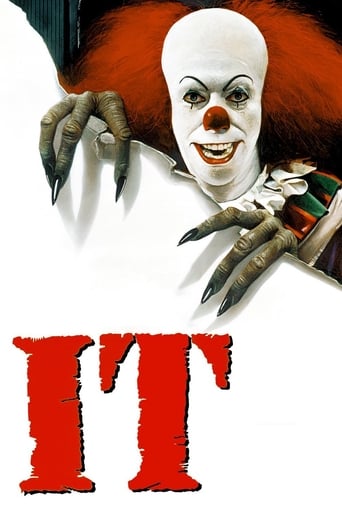
In 1960, seven outcast kids known as "The Losers' Club" fight against an ancient shape-shifting alien who poses as a child-killing clown, while also dealing with bullies and abusive parents. Thirty years later, they reunite to stop the creature once and for all when it returns to their hometown.
What to Use Instead of Netflix?
Netflix fatigue is real. If you're cancelling or want alternatives, here's the honest hierarchy:
- Max — Best single replacement for premium TV and film. Strongest prestige TV catalogue after Netflix.
- Hulu — Best for current-season network TV and a strong originals slate. Hulu's best series gives a real sense of what you'd actually watch.
- Apple TV+ — Small but high-quality originals library. No library filler. The best Apple TV+ shows are genuinely excellent if prestige drama is your priority.
- Tubi (free) — If you want to spend nothing and don't mind ads, Tubi replaces Netflix for casual viewing adequately.
- Amazon Prime Video — Included with Prime. More uneven than Netflix but has standout originals. A full Prime Video breakdown is worth reading before you commit.
For a broader cross-platform view of what's actually worth watching right now regardless of service, best things to stream right now is updated monthly.
My take: most people cancelling Netflix should replace it with Max plus one free service, not with another equivalent paid subscription. The Max + Tubi stack costs $9.99/month with ads and covers an enormous range. That's a defensible default.
How to Track Free and Paid Services Without Losing Your Mind
The practical problem with running multiple free and paid services simultaneously isn't cost — it's cognitive load. Content expires silently. Free platforms rotate their catalogues. You start something on Tubi, it disappears before episode three.
This is where a tracker like WatchDeck earns its keep. Tracking expiry dates across free services is actually more important than on paid ones, because free platforms rotate content faster and notify you less. If you want a starting point for what's worth watching across all of them right now, best series streaming now covers the full landscape.
For those coming from Trakt or JustWatch, the best JustWatch alternative compares the major options with specific feature breakdowns.
And if you're specifically looking at what's worthwhile on individual paid services before deciding what to keep, best streaming service for horror movies is a good lens — horror fans are the most subscription-savvy audience in streaming because the genre is spread across so many platforms.
FAQ
Is there a totally free streaming service? Yes. Tubi, Pluto TV, and Plex all offer completely free, legal, ad-supported streaming with no credit card required. Tubi has the largest on-demand catalogue at 50,000+ titles as of 2026. Pluto TV offers 250+ free live TV channels. All three are legitimate, licensed platforms.
What is the best cheapest paid streaming service? Peacock Premium at $7.99/month is the cheapest widely-available paid streaming service in the US as of April 2026, followed by Disney+ Basic and Max with ads at $7.99 and $9.99/month respectively. Free library services like Kanopy (via library card) cost nothing at all.
What streaming service has Stephen King's IT? Stephen King's It (2017), It Chapter Two (2019), and the original 1990 TV miniseries are all available on Max as of April 2026, as part of its Warner Bros. library.
What should I use instead of Netflix? Max is the closest like-for-like replacement for premium TV and film. Hulu is better for current-season network TV. Apple TV+ is the right choice if you prefer a small, high-quality originals slate. Tubi is the best free alternative for casual viewing.
Do free streaming services require sign-up? Tubi and Pluto TV do not require an account to watch on most devices. Plex requires a free account registration. Peacock Free requires an account. None of the major free AVOD platforms require payment information.
How many ads do free streaming services show? Ad load varies by platform. Tubi runs approximately four to five minutes of ads per hour. Pluto TV's ad load is similar. This is lighter than traditional broadcast television (roughly eight minutes per hour) but heavier than premium ad-supported tiers like Netflix Standard with Ads.
Are free streaming services legal? Tubi, Pluto TV, Plex, Peacock Free, The Roku Channel, and Amazon Freevee are all fully licensed, legal platforms. They acquire content rights in the same way paid services do, and fund those rights through advertising revenue. Unlicensed free streaming sites are illegal and separate from these services.
Track everything in one place
WatchDeck connects all your streaming services so you never miss content that's expiring, and always know what's worth your time.
Try WatchDeck freearrow_forwardMore multi service management guides
Best Streaming Service for Horror Movies in 2026: The Complete Ranking
Shudder is the obvious answer for hardcore horror fans — but it's not the only answer. Here's exactly which service wins by subgenre, budget, and viewing habit.
13 min read
GuideHulu Shows in 2026: The Complete Guide to What's Actually Worth Watching
Hulu's library is larger and more varied than most people realize — but knowing what to watch requires more than a homepage scroll. Here's the complete, opinionated breakdown of what's actually worth your time.
9 min read
GuideTop 20 Movies of All Time: A Consensus List Built from Critics, Audiences, and Streaming Reality
Every 'best movies' list has an agenda — most just hide it. This consensus top 20 shows its methodology openly and tells you exactly where to stream all 20 films right now.
9 min read